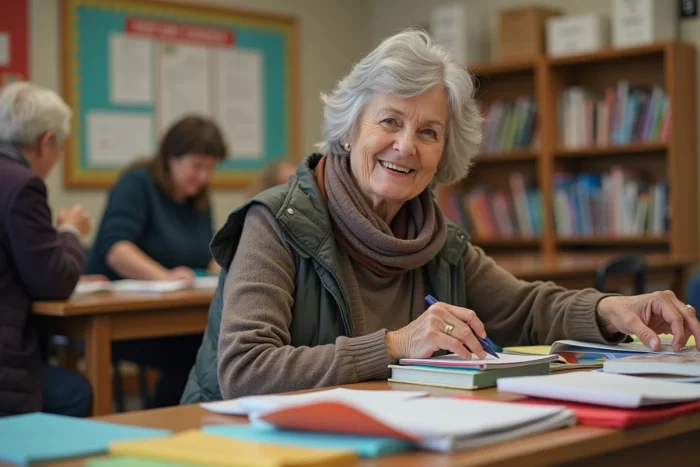
Nearly half of French associations report a lack of volunteers, even though the retired population shows an unprecedented availability rate. However, only 36% of those over 65 are regularly involved in an associative activity.
The opportunities for seniors are no longer limited to tutoring or fundraising. Dedicated tools are emerging that take into account what retirees can and truly want to contribute: their experience, their pace, their priorities. The French associative landscape is adapting, offering new ways to engage each year, whether for a few weeks or for the long term.
Why volunteering is appealing to retirees
Associative engagement among seniors is not just a simple pastime. It is a source of momentum, a way to feel useful, to continue passing on their knowledge, and to take concrete action for others. After years of active life, finding a meaningful mission is about reinventing daily life and maintaining self-confidence. This movement also helps to push back against isolation, which too often looms at this stage of life.
Today, we know that giving time benefits health, increases vitality, and fosters genuine connections. Interactions with younger people, common in most associations, challenge preconceived notions about aging and give a new place to seniors. Getting involved means continuing to act for society while valuing valuable experience.
More and more retirees are inquiring about the opportunities available to them. The website https://www.seniors-en-mission.org/ has become a go-to resource for exploring possibilities and combining social engagement with newfound availability. There, one can discover flexible missions, adaptable to one’s desires and schedule. Volunteering, as we see, goes far beyond being just a remedy for loneliness: it helps balance life, combats anxiety, and encourages local solidarity.
To summarize the feedback from many senior volunteers, here are some key perspectives:
- Breaking isolation: meeting others, participating in collective life, feeling surrounded.
- Maintaining mental agility: exercising knowledge, exchanging with other generations, staying active.
- Valuing one’s journey: feeling recognized and having an active role.
What forms of engagement are available to retirees?
Associations seek to value diversity in profiles: varied missions are blossoming everywhere, both in large cities and small towns. Tutoring, food aid, administrative support, renovation, creative workshops, or sports activities: there is no shortage of concrete examples.
Everyone gets involved in their own way, according to their desires and abilities. Adèle, for example, regularly offers knitting workshops in nursing homes, while Michel participates in preserving local heritage during collective work projects. Some prefer to take their time, while others choose to intervene occasionally: everything is adjustable, nothing is imposed.
To give an overview of ways to engage, here are several possible paths:
- Passing on experience: supporting young people or assisting those seeking employment by sharing skills.
- Building connections: organizing workshops, visiting isolated individuals, leading group walks in the neighborhood.
- Supporting local dynamism: acting against precariousness, facilitating access to rights, preserving heritage, or supporting cultural projects.
Some missions even extend beyond the national framework with humanitarian initiatives open to seniors. The needs are diverse, and every journey can find a project that reflects it.
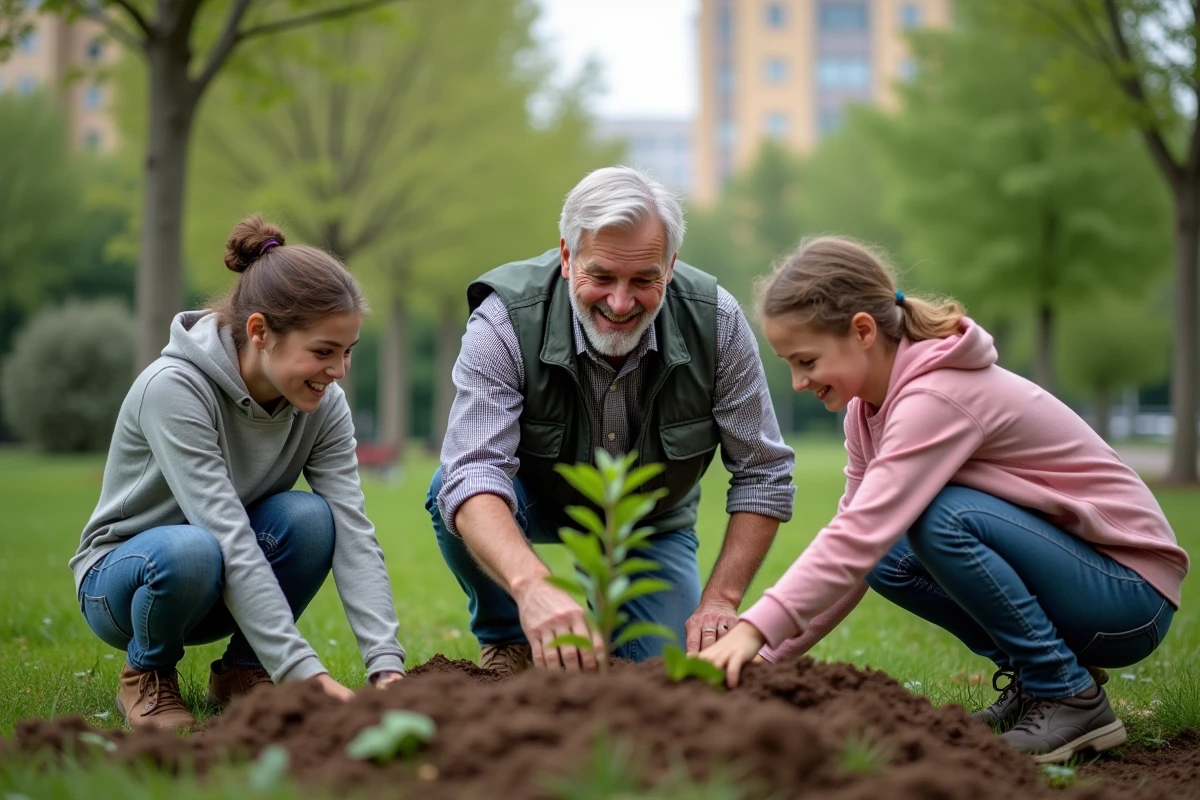
How to find the mission that suits you and thrive in volunteering?
The key to getting started is to reflect on what motivates this choice: passing on knowledge, helping others, staying connected to society. Marie, active in educational assistance, puts it bluntly: “Sharing a few hours each week changes my life just as much as it changes the lives of the children.” The stories of Adèle and other volunteers highlight the diversity of these commitments.
To move forward, take the time to meet the field: talk to associations, exchange with local actors, feel the atmosphere before committing. Why not first try a short mission? The desire often awakens through contact with others.
Engagement can be adjusted according to availability, whether solo or in small groups, close to home or remotely. Nothing prevents you from adjusting your involvement over time. Never forget that giving your time should be synonymous with pleasure: knowing your limits is about preserving momentum and enjoying the contagious energy of collective action. Sometimes, it is through very simple involvement that a new chapter opens, inspiring those around you as well.