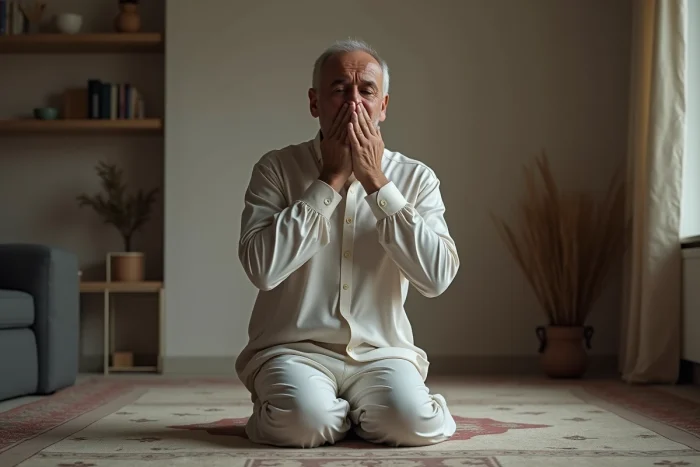
A yawn sometimes arises in the center of silence, unexpected, almost irreverent. Yet, it never calls into question the validity of prayer. The rules are clear: there is no need to start over. But behind this ordinary gesture lies a whole range of interpretations. Schools of thought diverge, between pragmatic tolerance and an invitation to vigilance, revealing this delicate interplay between body and spirit at the heart of contemplation.
Some currents favor precise gestures to address it, while others insist on a more spiritual reading, sometimes unsuspected in other contexts. Scientific explanations and religious readings intersect, each bringing its nuance, outlining a territory where physiology and spirituality coexist without ever merging.
Why does yawning occur during prayer? Between scientific explanations and inner feelings
The yawn: this ancestral reflex often appears where it is least expected, including in contemplation. Several avenues help illuminate this phenomenon. Physiologically, it responds to fatigue, stress, a poorly ventilated space, or difficult digestion. Lack of concentration and a tendency towards drowsiness frequently accompany this reflex, which can hinder those seeking presence.
From the perspective of religious sciences, this gesture does not go unnoticed. Thus, for some thinkers like Ibn al-Arabi or An-Nawawi, it first signals a heaviness of the body, often linked to excess or a lack of inner discipline. The yawn during prayer then resembles a reminder: when the body takes over, the spirit falters, and the quality of contemplation diminishes.
In yoga, the perspective shifts: the yawn, called Devadatta, is seen as a divine offering, a way to release tensions and purify the mind. The Karnamudra gesture is practiced to invite yawning, promoting deep relaxation and greater availability to the present moment.
To explore these different viewpoints, the article yawning during prayer offers a cross-sectional approach: causes, solutions, interpretations. It measures the richness of perspectives according to traditions and disciplines.
The yawn as a sign of rejection: how to interpret it on a spiritual and emotional level?
When the yawn intrudes into prayer, it disrupts the quest for fervor, despite its banality. In Islam, this reflex is not limited to a biological question. It symbolizes a distraction that weakens the connection with the Lord. The words reported by Al-Bukhari go so far as to assert: “the yawn comes from Satan and Allah blames it.” Faced with this judgment, the believer wonders: is this yawn merely a physical release or a deeper trace of the soul’s resistance to total surrender in prayer?
Masters like An-Nawawi or Ibn al-Arabi nuance the analysis. According to them, this reflex betrays a heaviness of the body, born of material excess or a form of inner laziness. It stages the tension between spiritual momentum and attachment to earthly comfort. In this space, the yawn becomes a witness to an effort: that of will against ease, of contemplation against distraction.
In contrast, sneezing enjoys a completely different reputation: associated with the angel, it is loved by Allah. Prayer, a quest for trust and unity with God, calls for vigilance of the mind and commitment of the heart. The yawn, viewed from this angle, encourages exploration of one’s own shadow areas, questioning the sincerity of the inner dialogue.
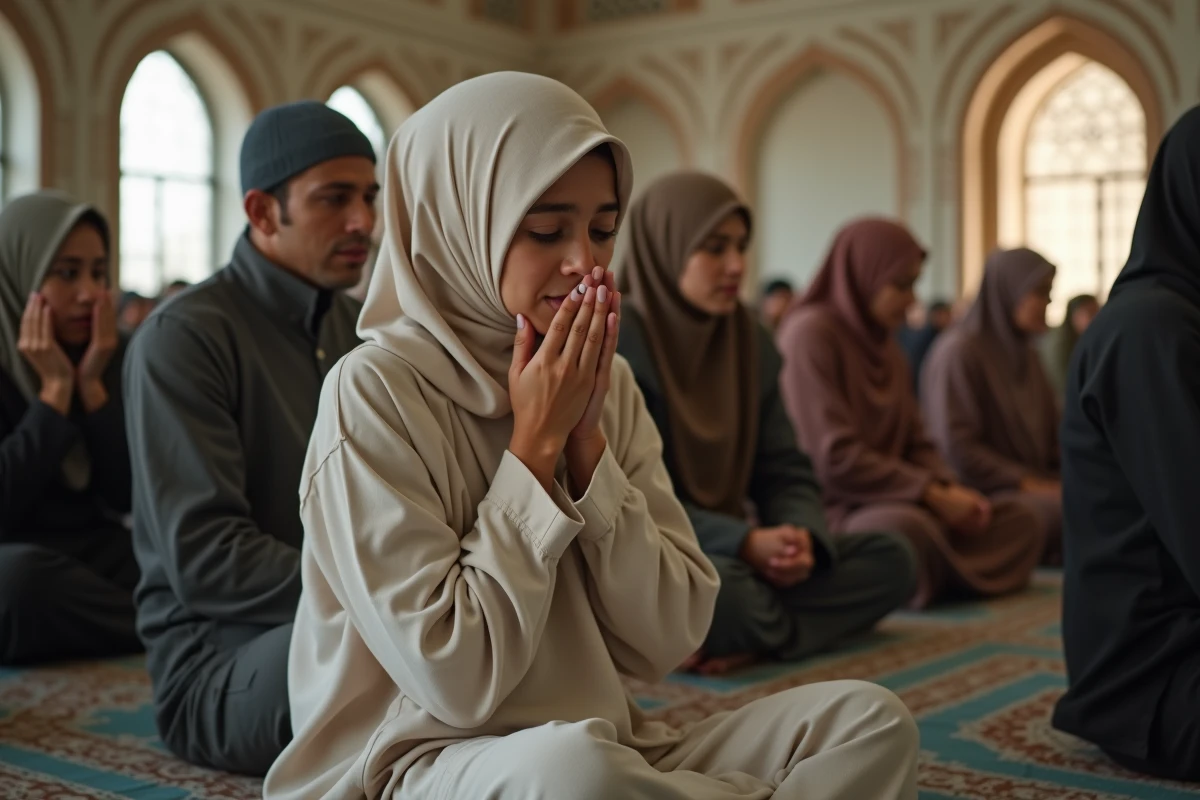
Concrete tips and resources to better experience these moments and regain serenity
Regaining control over the yawn during prayer does not solely depend on willpower. Several levers are available, at the intersection of body and spirit. First, a well-maintained lifestyle: fatigue and difficult digestion are among the most common triggers. A light meal before prayer, a respected sleep the night before: these simple gestures make a difference.
The environment matters greatly. A properly ventilated and tempered room limits the feeling of heaviness. If possible, favor natural light to maintain alertness. Before starting, taking the time to breathe deeply, mindfully, increases brain oxygenation and reduces the frequency of yawning.
Enhancing concentration and presence
Here are some practices that enhance the quality of attention during prayer:
- The practice of Dhikr, this meditative repetition of divine names, helps the mind prepare and release some of its tensions.
- The reading of the Quran before prayer establishes a lasting atmosphere of contemplation. Attention is focused, the body follows the intention.
- The group prayer, as recommended by Daniel D. Henderson, stimulates collective concentration and reduces individual distraction.
By repeating these habits, yawning gradually loses its status as an obstacle to become a simple signal. Prayer transforms: no longer a struggle against the body, but a careful negotiation with its messages, to better regain serenity.
Over time, even a simple yawn becomes an invitation to readjust one’s presence. And what if, ultimately, every involuntary gesture were just an opportunity to reconnect with the quality of the moment?