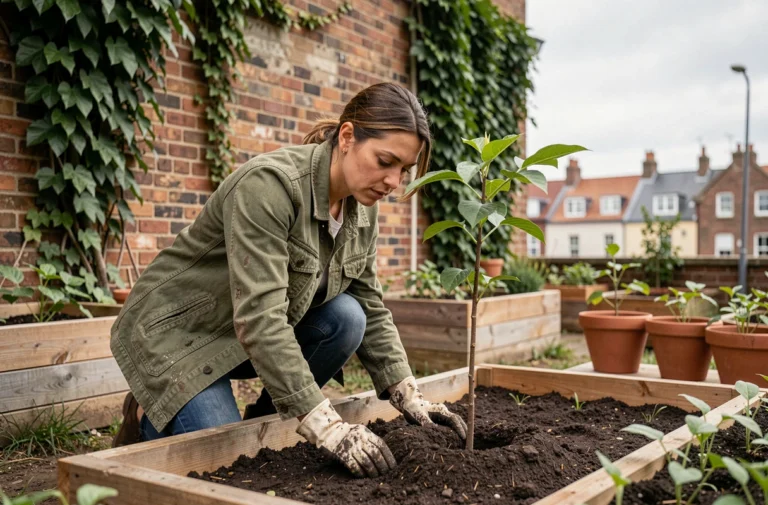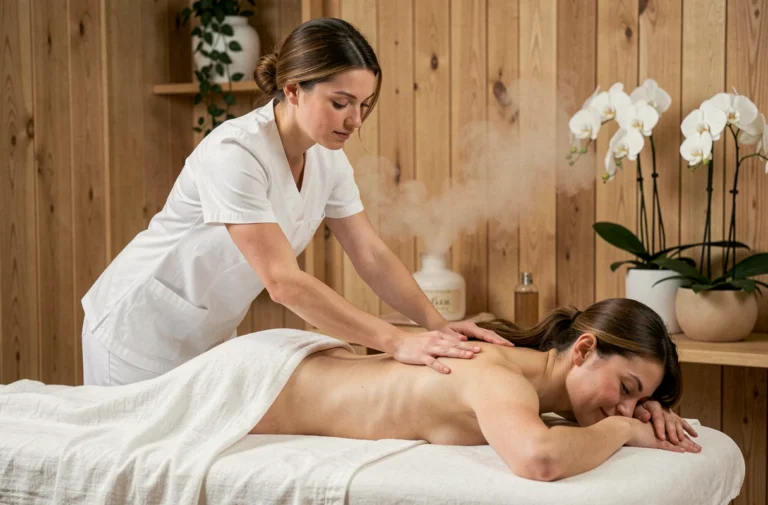
The choice of a sports discipline relies less on current trends and more on the compatibility between the training format, the practitioner’s joint constraints, and the intended physiological goal. Since the emergence of Covid, we have observed a profound restructuring of the offerings, with hybrid disciplines that blur the lines between strength training, mobility, and cardio. This article targets formats that deserve technical attention, beyond generic lists.
Post-Covid hybrid disciplines: what functional training has changed
Formats that combine strength, dance, and well-being (cardio-dance, body balance combining yoga, tai-chi, and Pilates, functional training) have significantly developed in gyms and studios between 2022 and 2024. Their technical interest is not limited to accessibility.
Functional training, for example, engages muscle chains in multiple planes of movement, whereas a traditional weightlifting class isolates muscle groups. For a practitioner returning after a long break, working in a closed kinetic chain reduces the risk of compensatory injury. Exercises like kettlebell swings, Turkish get-ups, or farmer’s walks mobilize dynamic core stability much more effectively than a traditional crunch.
These hybrid disciplines also serve as entry points for less active individuals, particularly adult women who avoid sports deemed competitive. We recommend cataloging the available pathways on the ultra-sport.org website before committing to a gym membership, as the commercial names of classes vary greatly from one network to another.
The point to watch: the qualifications of the instructor. A class labeled “functional” led by a coach without training in biomechanics can generate lumbar compensations during ballistic movements. Checking certifications (CQP, BPJEPS specializing in weightlifting and strength training, or equivalent) remains a basic reflex.
Exercise on prescription and adapted physical activity: an underutilized framework
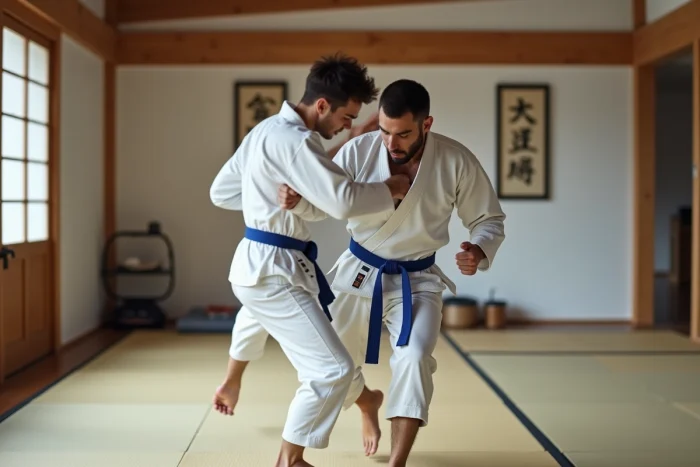
The exercise on prescription scheme, which allows a doctor to prescribe adapted physical activity, has been gaining traction since 2022 thanks to partnerships between local authorities, health-sport centers, and associations. This scheme directs sedentary individuals or those with chronic illnesses towards supervised disciplines, often unknown to the general sports public.
Among the most prescribed activities are: Nordic walking, moderate-intensity swimming, flat terrain cycling, and certain gentle gymnastics classes. The technical point that distinguishes these practices from mere leisure is the follow-up by a teacher in adapted physical activity (APA), trained to adjust the load and amplitude according to the pathology.
Why regular athletes should take an interest
The APA framework is not reserved for sick individuals. Mobility protocols derived from health sports improve joint recovery in intensive practitioners. A trail runner who incorporates a weekly session of adapted gymnastics during their unloading phases reduces their plantar fascia pain much more effectively than with static stretching.
Health-sport centers, deployed across the country, offer free or low-cost physical condition assessments. This is a concrete entry point to calibrate one’s practice.
Pickleball, gravel, snackable fitness: sorting the sustainable from the gimmick
Pickleball is beginning to appear in some multisport complexes and initiation events. Positioned as an intergenerational sport, it combines elements of tennis, badminton, and table tennis on a reduced court. Its biomechanical advantage: short movements, minimal joint impact, and quick learning curve. Pickleball is particularly suitable for racket players suffering from shoulder tendinopathies, as the range of motion remains limited.
Gravel, on the other hand, continues the trend of cycle tourism but on mixed routes (roads and paths). It attracts cyclists tired of pure asphalt and mountain bikers seeking less technicality. The riding position, more upright than on the road, puts less strain on the neck during long rides.
The trap of the ultra-short format
The logic of “snackable fitness” (15-minute HIIT, express Pilates, mobility circuits) increasingly directs beginners towards fragmented sessions. This approach has real merit: it lowers the entry barrier for those who do not have a full hour. However, excessive fragmentation prevents achieving the deep cardiovascular adaptations that a 40 to 60-minute moderate-intensity session provides.
We recommend combining the two approaches:
- Two to three short sessions of strength or mobility per week, in addition to a main activity
- One long weekly outing (cycling, swimming, running, hiking) to work on the aerobic threshold
- One session of team sports or racket sports for the neuromuscular component (coordination, reaction time, proprioception)
Swimming and running: revisiting the classics with a technical perspective
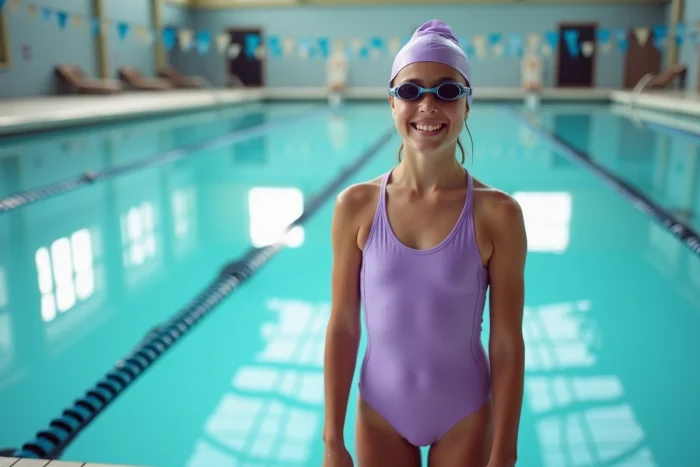
Swimming remains one of the most practiced activities. Its main advantage for athletes seeking variety: the absence of joint load combined with a complete cardio workout. Freestyle continuously engages the shoulder girdle and core stability, making it an excellent complement for runners prone to upper/lower body imbalances.
Running, the most accessible discipline at first glance, is also the one with the highest injury rate among beginners. The problem does not stem from running itself, but from the too rapid increase in volume. A limited weekly load progression, combined with strengthening the hip stabilizers (gluteus medius, external rotators), radically changes the prognosis.
- Favor varied surfaces (dirt, grass, asphalt) to distribute mechanical stresses
- Incorporate running drills (high knees, butt kicks, side shuffles) in warm-ups, not as an option
- Plan a swimming or cycling session between two running outings to maintain cardio volume without impact
The choice of a sports discipline is not just a matter of taste. Biomechanical compatibility, session format, and the quality of supervision determine the regularity of practice, and it is regularity that produces physiological adaptations. It is better to have three well-balanced complementary activities than one practiced until injury.