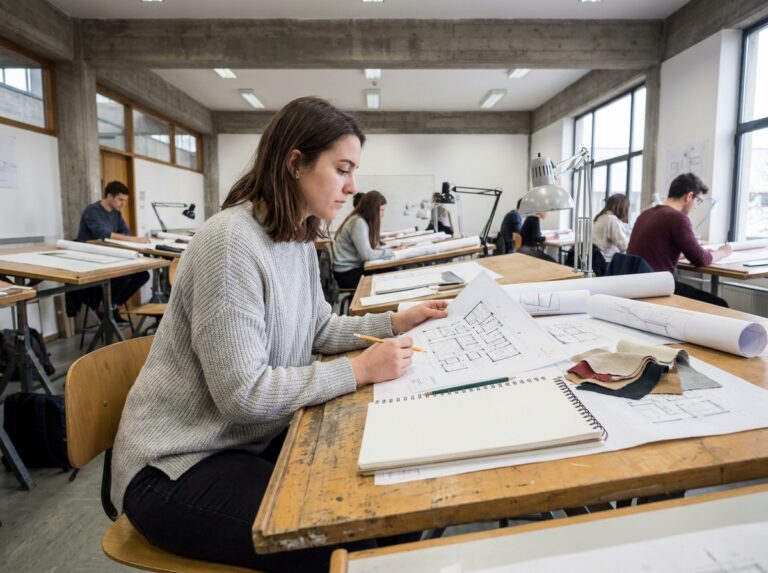
Le-Off is defined by its commitment to bringing artistic disciplines together and welcoming a diverse range of audiences. This space combines performing arts, visual arts and creative encounters in a programme that rejects the usual boundaries between genres. Its approach is based on a simple idea: culture is not something to consume, but something to practise and share.
A hybrid cultural venue: what Le-Off offers beyond the stage
Most cultural venues are organised around a performance space or a gallery. Le-Off works differently: it brings several formats together in one space, sometimes during the same evening. A theatre performance might take place alongside a visual installation, a participatory workshop or an open discussion with the artists.
This hybrid approach is not a passing trend. It reflects a programming choice in which every event aims to spark direct interaction between creators and visitors. Audiences are not confined to their seats: they move around, take part and respond. This model is similar to what some in the sector call a “cultural third place”—a space whose role goes beyond presenting work to include creation and audience engagement.
The full programme and list of activities can be found at https://www.le-off.be/, with details of upcoming events and current projects.
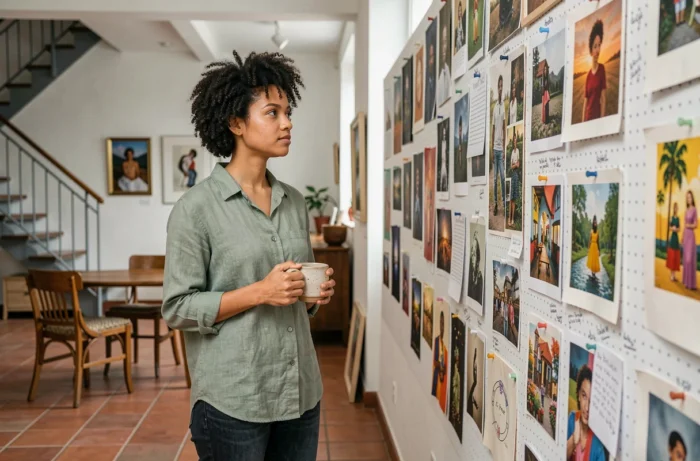
Cultural access at Le-Off: reaching audiences with limited access to the arts
Making a cultural venue accessible means more than installing a ramp or offering discounted tickets. Le-Off places this issue at the heart of its project, reaching out to people who do not usually visit arts venues: people with disabilities, those facing socio-economic hardship and residents of neighbourhoods with limited cultural provision.
Practical initiatives, not just good intentions
Several measures help turn this ambition into action. The venue works with local associations and social support organisations to share its programme with people who might not otherwise hear about it through conventional channels.
- Open-access arts workshops with no prerequisites, where participation requires no prior knowledge of art or theatre
- Short, informal formats (meet-ups and open discussions) that reduce the perceived distance between visitors and cultural institutions
- Tailored audience engagement, with facilitators trained to welcome people with disabilities or those in vulnerable situations
Accessibility depends as much on the format of events as on their content. A participatory performance in which the audience moves through the performance space calls for different conventions than a traditional, front-facing show. This choice of format lowers the barriers for people who may feel intimidated by the conventions of live performance.
Measuring the real impact on attendance
Measuring impact remains a challenge for organisations of this kind. Cultural venues that champion accessibility rarely have precise evaluation tools. How can they tell whether a visitor is attending a cultural venue for the first time? How can they distinguish genuine audience diversification from simply attracting a new group within the same audience?
Le-Off does not publish detailed figures on the make-up of its audience. The lack of publicly available data does not mean there is no monitoring, but it remains difficult for organisations of this size to document audience diversification. This is a challenge shared by most cultural third places in Belgium and France.
Performing arts and creative encounters: a programme that crosses genres
Le-Off is not limited to theatre or visual arts. Its programme brings together disciplines that are often presented in separate slots elsewhere: performance, dance, music, visual arts and writing. This mix is not merely decorative. It reflects a creative approach in which the artists hosted at the venue often work across several disciplines.
Artist residencies are a key part of the programme. The venue hosts artists for dedicated periods, providing them with a workspace and an opportunity to share their work publicly. The public presentation is not a finished performance but a moment of exchange, making the creative process visible to audiences.
This approach has a direct effect on the visitor experience: people do not come to Le-Off to see a finished product, but to witness work in progress. This appeals to curious audiences, some from the arts world and others with no connection to it. It also means being open to unfinished work, which can be disconcerting for audiences used to more conventional formats.
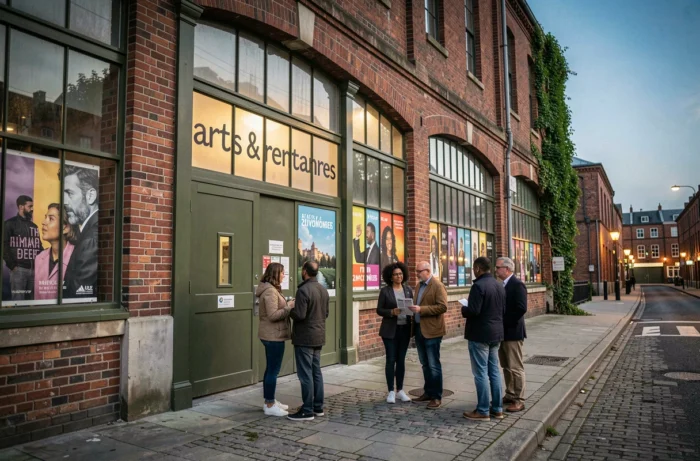
Cultural centre in Brussels: Le-Off in Belgium’s arts scene
Le-Off occupies a middle ground in the cultural landscape: it is neither a major subsidised institution with an extensive programme nor a short-lived collective without a formal structure.
This middle-ground position gives it programming flexibility that larger organisations often struggle to achieve. Decisions can be made quickly, and experimental formats can find a place without going through lengthy selection committees. In return, financial and staffing resources remain limited, restricting the number of activities offered each season.
The venue is also part of a broader movement to revitalise local cultural spaces. In Belgium and France alike, cultural policies are increasingly focused on organisations that foster social connections in their neighbourhoods. Le-Off fulfils this role by combining artistic programming with an open-door approach for local residents, without separating the two.
- Multidisciplinary programme spanning theatre, dance, visual arts and music
- Artist residencies with open public presentations
- Partnerships with local associations to reach a wider audience
- Participatory formats that bring artists and visitors closer together
Le-Off holds a distinctive place in Brussels’ cultural landscape. Its strength lies less in the size of its programme than in the coherence between its artistic vision and its commitment to openness. A cultural venue that does more than present work—it builds connections between audiences, artists and practices that might otherwise never meet.